


Why Has Medical Manicure Become Popular in Recent Years?
Today, manicure services increasingly focus not only on aesthetic appearance but also on approaches that protect nail health. For this reason, “what is medical manicure?” and “what is the difference between medical manicure and regular manicure?” are frequently searched questions.
In the medical manicure approach applied at Beyoğlu Gel Nails Permanent Makeup by DRTU in Istanbul Galata, nail anatomy, hygiene, and the balance of protective tissues are evaluated together.
What Is a Regular Manicure?
In regular manicure applications, the main purpose is to shape the nails, clean the cuticle area, and make the hands look more well-groomed. Classic manicure has been a preferred care method for many years.
- Nails are shaped.
- The area around the nails is cleaned.
- A more aesthetic and well-groomed appearance is targeted.
- The application approach may vary from salon to salon.
What Is a Medical Manicure?
In the medical manicure approach, not only appearance but also the protection of the nails and surrounding tissues is prioritized. Avoiding damage to living tissues, protecting the nail bed, and avoiding unnecessary deep cuts are the key points of this approach.
- Nail anatomy is taken into account.
- Living tissues are protected as much as possible.
- Unnecessary and deep cuts are avoided.
- The upper layer of the nail is not thinned more than necessary.
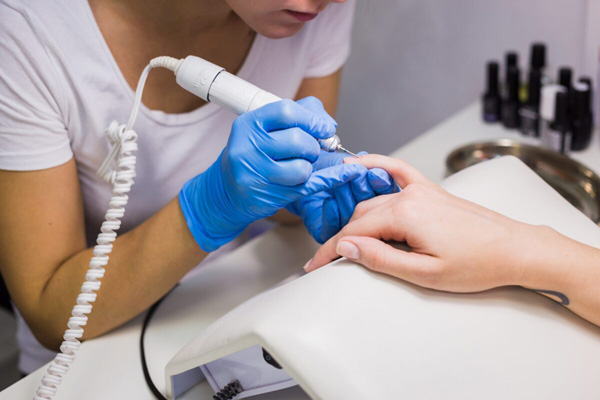
- Hygiene and sterilization protocols are carefully followed.
Why Should Cuticles Not Be Removed Completely?
Cuticles are not only an aesthetic detail. They are a structure that protects the nail root and forms a barrier against external factors. Therefore, removing cuticles more than necessary may lead to sensitivity, irritation, and an uneven growth appearance.
In the medical manicure approach, the goal is not to completely remove protective tissues, but to balance the nail area so it looks clean, neat, and healthy.
Why Should the Upper Layer of the Nail Be Protected?
In some aggressive applications, the top surface of the natural nail may be thinned more than necessary. This can create a basis for issues such as sensitivity, brittleness, and splitting.
Protecting the natural nail structure is one of the main principles of medical manicure. The nail surface is prepared carefully and in a controlled way without unnecessary abrasion.
The Role of Hygiene and Sterilization
In manicure applications, hygiene is as important as the aesthetic result. Sterile equipment, the use of disposable products, and a clean work area are necessary for a safe care experience.
At DRTU, metal equipment is processed through professional sterilization procedures, disposable products are preferred, and the application area is prepared in accordance with hygiene protocols.
Which Is Healthier?
The answer to this question depends on how the application is performed. However, a medical manicure approach that prioritizes nail health, respects protective tissues, and maintains high hygiene standards may contribute more to preserving the natural nail structure in the long term.
Frequently Asked Questions
Does medical manicure hurt?
When applied correctly and in a controlled way, medical manicure aims to offer a comfortable care experience. It is important not to damage living tissues.
Who is medical manicure suitable for?
It may be a suitable option for people who care about nail health, have sensitive nails, or want more controlled care.
Is regular manicure harmful?
Whether a regular manicure is harmful depends on the application technique, hygiene conditions, and how carefully the nail tissue is handled.
Conclusion
The main difference between medical manicure and regular manicure is not only the aesthetic result, but also the approach to nail biology. In Beyoğlu Galata, DRTU adopts a hygienic and controlled care approach that protects the nail structure while creating beautiful-looking hands.